
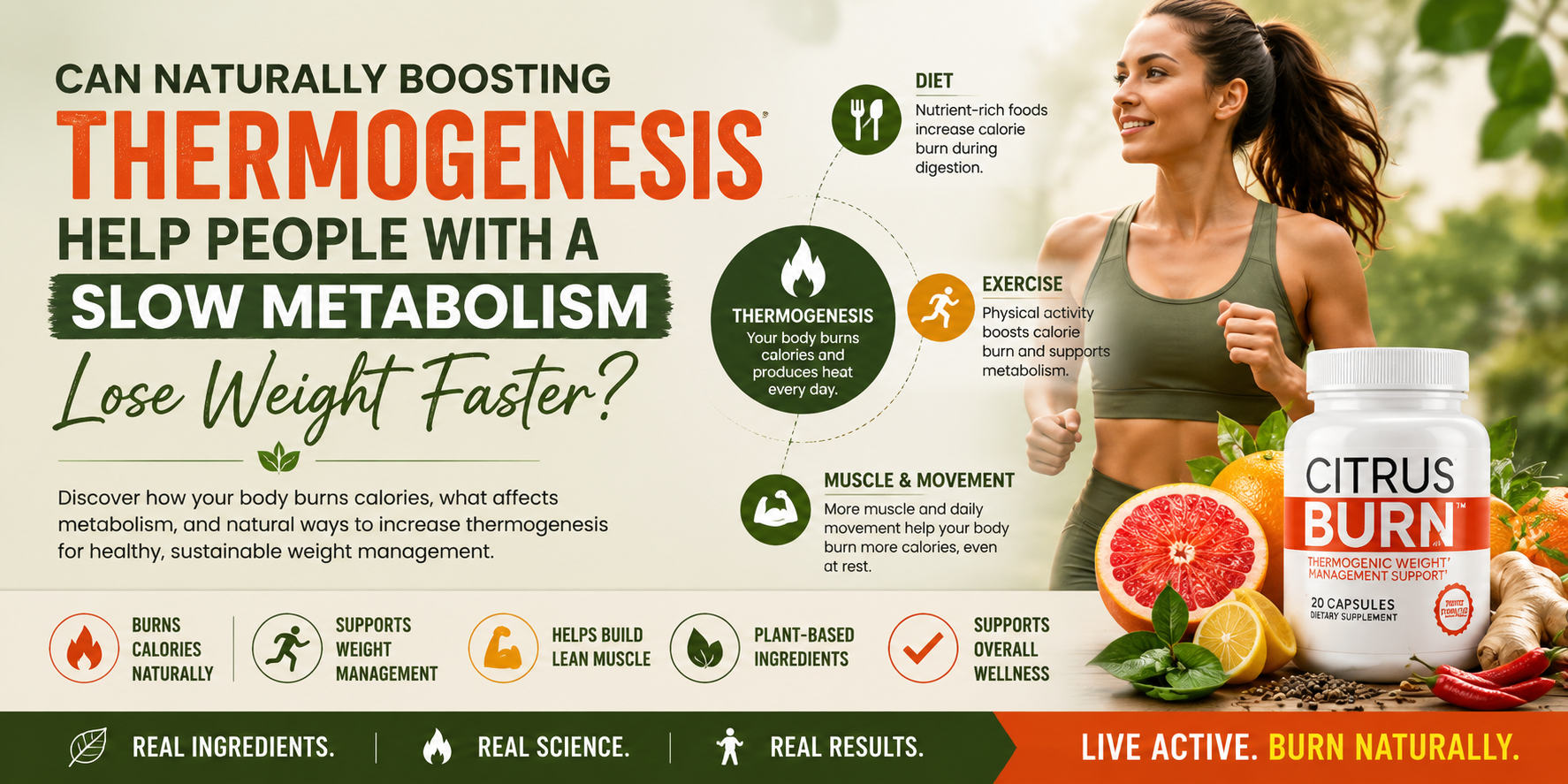
Losing weight is not always easy. Some people seem to lose weight quickly after making small lifestyle changes, while others make consistent efforts and see slower progress. One reason people often mention is a "slow Metabolism." Although metabolism is only one part of the picture, it does affect how your body uses energy throughout the day.
This is where Thermogenesis becomes an interesting topic. Thermogenesis refers to the heat your body generates as it spends energy. This process is happening in the background as your body processes food, regulates temperature, and carries out physical activity. Many people wonder whether increasing thermogenesis naturally can help speed up Weight Loss, especially if they feel their metabolism is slower than average.
It can help, but the effect has limits. Lifestyle habits that encourage thermogenesis may add to your daily energy expenditure, especially when they are paired with nutritious meals, regular activity, adequate sleep, and a routine you can maintain. Think of them as supportive habits rather than a quick fix for weight loss.
Understanding Metabolism
Your Metabolism is the collection of processes your body uses to turn food into energy and keep you functioning. Every heartbeat, every breath, and every movement requires energy. Even while you are sleeping, your body continues using energy to keep your organs working properly.
Several factors can influence metabolism, including:
- Age
- Body size
- Muscle mass
- Hormones
- Physical activity
- Genetics
People with more muscle generally use more energy at rest than people with less muscle because muscle tissue requires energy to maintain itself. This is one reason strength training is often included in a healthy Weight Loss program.
What Influences Your Daily Energy Needs?
- Even at rest, your body is continuously using energy to keep essential functions running.
- Muscle mass can influence energy use at rest.
- Physical activity can significantly increase daily energy expenditure.
- Food digestion also requires energy.
- Sleep, hormones, age, body size, and genetics can influence the overall picture.
What Does a Slow Metabolism Really Mean?
Many people assume they have a slow metabolism whenever losing weight becomes difficult. In reality, true metabolic disorders are uncommon. More often, changes in body weight reflect a combination of eating habits, physical activity, sleep, stress, genetics, and other individual factors.
Metabolism can also change naturally with age. Losing muscle, becoming less active, and certain hormonal changes can reduce the amount of energy your body uses each day.
There are also several everyday factors you can work on. Preserving muscle, moving more, eating well, getting enough sleep, and sticking with healthy routines can all contribute to better metabolic health.
What Is Thermogenesis?
Thermogenesis simply means heat production. Whenever your body uses energy, some of that energy is released as heat.
Your body creates heat in several different ways, and some of these processes are closely connected to the food you eat and the amount of physical activity you perform.
Diet-Induced Thermogenesis
After you eat a meal, your digestive system begins breaking down food and processing its nutrients. Digestion requires energy, so your body uses additional energy while processing what you have eaten. Protein-rich meals generally have a greater thermic effect than meals that are higher in fat.
Exercise-Induced Thermogenesis
Movement adds substantially to the energy your body uses each day. A walk, bike ride, swim, strength session, or even active housework can all raise your daily energy expenditure.
The harder your muscles work, the more energy they generally require to perform the activity.
Non-Exercise Activity
Not every calorie-burning activity happens inside a gym. Standing while working, walking around the office, climbing stairs, cleaning your home, gardening, and playing with children all increase daily energy expenditure. These small movements may seem insignificant on their own, but together they can make a meaningful difference over weeks and months.
Can Natural Thermogenesis Improve Weight Loss?
Natural thermogenesis can support Weight Loss, but it should not be treated as a miracle solution.
Think of daily calorie expenditure as something that builds gradually. A high-protein breakfast may contribute some additional energy use during digestion. A brisk walk adds more. Strength training can increase energy expenditure while also helping you build and maintain muscle. Better sleep can make it easier to manage appetite and stay active.
Each healthy habit may contribute only a small amount on its own. Together, however, they can become part of a stronger and more sustainable routine.
This is why it is usually more useful to combine several healthy habits rather than searching for a single Fat Burner.
Think Beyond a Single “Metabolism Boost”
Thermogenesis is only one part of total energy expenditure. A practical approach combines nutrition, exercise, daily movement, sleep, hydration, and stress management rather than expecting one food, workout, or supplement to transform weight loss on its own.
Natural Ways to Increase Thermogenesis
Eat More Protein
Protein has the highest thermic effect of the major macronutrients. Foods such as chicken, fish, eggs, beans, lentils, Greek yogurt, cottage cheese, and tofu generally require more energy to digest than fats or refined carbohydrates.
Protein can also help you feel full for longer, which may make it easier to avoid unnecessary snacking and maintain a balanced eating pattern.
Build Muscle Through Strength Training
Muscle tissue requires energy to maintain itself, including when you are resting. Adding resistance training two or three times each week can help build and maintain muscle over time.
A long gym session is not required to get started. Basic movements such as squats, lunges, push-ups, band exercises, and manageable dumbbell work can provide a useful strength-training foundation.
Stay Active Throughout the Day
Daily movement matters more than many people realize. Try simple habits such as:
- Walking after meals
- Taking the stairs
- Parking farther away
- Standing during phone calls
- Stretching every hour
- Doing household chores
These activities can increase daily energy expenditure without requiring a formal workout.
Why Sleep Matters
Sleep is often overlooked during Weight Loss, yet it can influence hunger, energy levels, and your ability to maintain healthy habits. Adults should generally aim for around seven to nine hours of quality sleep each night whenever possible.
Drink Enough Water
Water supports many normal body functions, including digestion and nutrient transport. Cold water may slightly increase energy use because your body has to warm it to body temperature, but the effect is small. The bigger benefit of staying hydrated is supporting normal body function and helping you feel well enough to stay active.
Are Metabolism Boosters Helpful?
Many people search online for a metabolism booster that promises faster results. During that search, they may come across products such as CitrusBurn or a CitrusBurn supplement. Search phrases such as buy CitrusBurn, CitrusBurn buy, CitrusBurn reviews, CitrusBurn official website, and citrusburn weight loss are common among people exploring weight-management options.
Some supplements are marketed as supporting metabolism or thermogenesis, but results can vary from person to person, and marketing claims are not the same as scientific evidence. Before using any supplement, review reliable evidence, check ingredient information, and speak with a healthcare professional if you have a medical condition or take prescription medicines.
Healthy eating, regular movement, strength training, and good sleep remain the foundation of long-term Weight Loss and healthy Metabolism.
Foods That Naturally Support Thermogenesis
The foods you eat can influence how much energy your body uses during digestion. While no single food can cause dramatic Weight Loss, choosing nutrient-dense foods can support thermogenesis and help you maintain a healthy eating pattern over time.
Protein-Rich Foods
Protein has the highest thermic effect of the major nutrients. Your body generally uses more energy to digest protein than it does to digest carbohydrates or fats.
Good protein choices include:
- Chicken breast
- Fish
- Eggs
- Greek yogurt
- Cottage cheese
- Lentils
- Beans
- Tofu
- Lean turkey
Getting enough protein can also help you hold on to lean muscle while losing weight. Keeping more of that muscle may help maintain a healthier level of energy use over time.
Whole Grains
Whole grains provide fiber along with vitamins and minerals. They generally digest more slowly than refined grains and can help you stay satisfied for longer.
Healthy choices include:
- Oats
- Brown rice
- Whole wheat bread
- Quinoa
- Barley
Fruits and Vegetables
Most fruits and vegetables are naturally nutrient-dense and provide fiber, which can support digestion and help with hunger management.
Good options include:
- Apples
- Oranges
- Berries
- Broccoli
- Spinach
- Carrots
- Bell peppers
- Leafy greens
These foods also provide vitamins, minerals, antioxidants, and other nutrients that support overall health.
Spicy Foods
Some research suggests that spicy foods containing capsaicin may produce a small increase in energy expenditure. The effect is usually modest, so spicy foods are better viewed as one part of a balanced eating pattern rather than a major Fat Burner.
Green Tea and Coffee
Green tea and coffee contain natural compounds that may temporarily increase energy expenditure in some people. However, the effect varies, and excessive caffeine intake is not recommended. If you enjoy these beverages, moderate intake can fit into a healthy lifestyle.
Keep Food Choices in Perspective
Protein-rich meals, whole grains, fruits, vegetables, and moderate amounts of tea or coffee can support a healthy eating pattern. None of them should be expected to create dramatic fat loss by themselves.
Best Exercises to Increase Thermogenesis
Exercise remains one of the most effective ways to increase daily energy expenditure. Different forms of exercise offer different benefits, so the best choice is usually one you can perform safely and consistently.
Strength Training
Resistance training helps build and maintain muscle. More muscle can increase the amount of energy your body requires over time.
Examples include:
- Squats
- Deadlifts
- Push-ups
- Lunges
- Resistance bands
- Dumbbell exercises
Beginners can start with two or three sessions each week and gradually increase the challenge as their fitness improves.
Walking
Walking is one of the simplest ways to increase daily movement. A brisk 30-minute walk on most days can support cardiovascular health, burn calories, and suit many different fitness levels.
Walking after meals can also be an easy way to add more movement to your day.
Cycling
Cycling is relatively gentle on the joints while providing an effective cardiovascular workout. Whether outdoors or on a stationary bike, regular cycling can contribute to fitness and daily energy expenditure.
Swimming
Swimming works many muscle groups while placing relatively little stress on the joints. It can be a useful option for people who prefer low-impact exercise.
High-Intensity Interval Training
High-Intensity Interval Training (HIIT) alternates short periods of hard effort with recovery periods. Many people enjoy HIIT because sessions can be relatively short while still providing a challenging workout.
However, not everyone needs high-intensity exercise. The best workout is one you can perform safely and consistently.
Daily Habits That Support a Healthy Metabolism
Eat Regular, Balanced Meals
Skipping meals does not automatically improve Weight Loss. Many people find that balanced meals help manage hunger and make healthy eating easier throughout the day.
Stay Hydrated
Water is involved in countless body functions. Even mild dehydration can leave you feeling tired, which may make it harder to stay active.
Reduce Long-Term Stress
Stress can affect sleep, appetite, and daily routines. Finding healthy ways to manage it—such as walking, meditation, reading, or spending time outdoors—can support overall well-being.
Avoid Sitting for Long Periods
If you work at a desk, try standing up or moving around every hour. A short walk or a few minutes of stretching can help increase daily movement.
Small habits repeated every day can have a bigger long-term impact than occasional intense workouts.
Common Myths About Thermogenesis
There is a lot of confusing information online about metabolism and calorie burning. Here are a few common myths worth putting into perspective.
Myth 1: Some Foods Melt Fat
No food melts body fat on its own. Healthy foods can support nutrition and appetite management, but lasting Weight Loss depends on overall energy balance and consistent habits.
Myth 2: A Slow Metabolism Makes Weight Loss Impossible
A slower metabolism may influence how many calories you use, but it does not make weight loss impossible. Healthy eating and regular physical activity remain useful strategies for most people.
Myth 3: Supplements Replace Healthy Habits
Many products are promoted as a metabolism booster or Fat Burner, but supplements cannot replace balanced nutrition, exercise, and good sleep.
People researching products may search terms such as CitrusBurn, CitrusBurn supplement, buy CitrusBurn, CitrusBurn buy, CitrusBurn reviews, CitrusBurn official website, or citrusburn weight loss. Reading reliable information, checking ingredients, and understanding available evidence are important before deciding whether to use any supplement.
Myth 4: You Must Exercise Every Day
Rest is an important part of fitness. Your muscles need time to recover, so taking one or two rest days each week can be a normal part of a balanced exercise routine.
What Really Matters?
There is no single food, supplement, or workout that can replace the basics. A sustainable approach combines nutritious meals, adequate protein, regular movement, strength training, quality sleep, hydration, and realistic long-term goals.
Practical Fitness Tips for Better Results
Healthy habits are easier to maintain when they fit naturally into your daily routine. These simple Fitness Tips can help support Metabolism and Weight Loss:
- Eat enough protein at each meal.
- Fill about half your plate with vegetables when practical.
- Walk for 20–30 minutes each day.
- Include strength training at least twice a week.
- Drink water throughout the day.
- Aim for seven to nine hours of sleep each night.
- Reduce sugary drinks and highly processed snacks.
- Keep healthy foods available at home.
- Track progress using realistic goals.
- Focus on consistency instead of perfection.
Small improvements made each week often lead to better long-term results than trying to change everything at once.
Why Consistency Matters More Than Speed
Many people hope to lose weight as quickly as possible. Fast results may seem exciting, but they can be difficult to maintain.
Healthy Weight Loss usually happens gradually. Building better eating habits, staying active, getting enough sleep, and managing stress can create a routine that supports your health for years rather than only a few weeks.
Natural thermogenesis works in a similar way. Its effects are generally modest, but when combined with regular exercise, balanced meals, and an active lifestyle, it can become one part of a sustainable approach to supporting metabolism and maintaining a healthy weight.
Bottom Line
Naturally supporting Thermogenesis can help people with a slower metabolism increase energy expenditure, but it is only one part of successful Weight Loss. Protein-rich meals, regular exercise, strength training, daily movement, quality sleep, and proper hydration can all work together to support your body's natural energy-burning processes.
If you are exploring products marketed as a metabolism booster, you may come across names such as CitrusBurn while searching online. You may also see search phrases like buy CitrusBurn, CitrusBurn buy, CitrusBurn supplement, CitrusBurn reviews, CitrusBurn official website, or citrusburn weight loss. These products should be viewed as optional additions rather than replacements for healthy lifestyle habits. Before using any supplement, consider the available evidence and seek advice from a qualified healthcare professional if needed.
The most effective plan is usually the simplest one: eat nutritious foods, stay physically active, build and maintain muscle, sleep well, and follow healthy routines consistently. Over time, these habits can support your Metabolism, improve overall health, and make long-term Weight Loss more achievable.
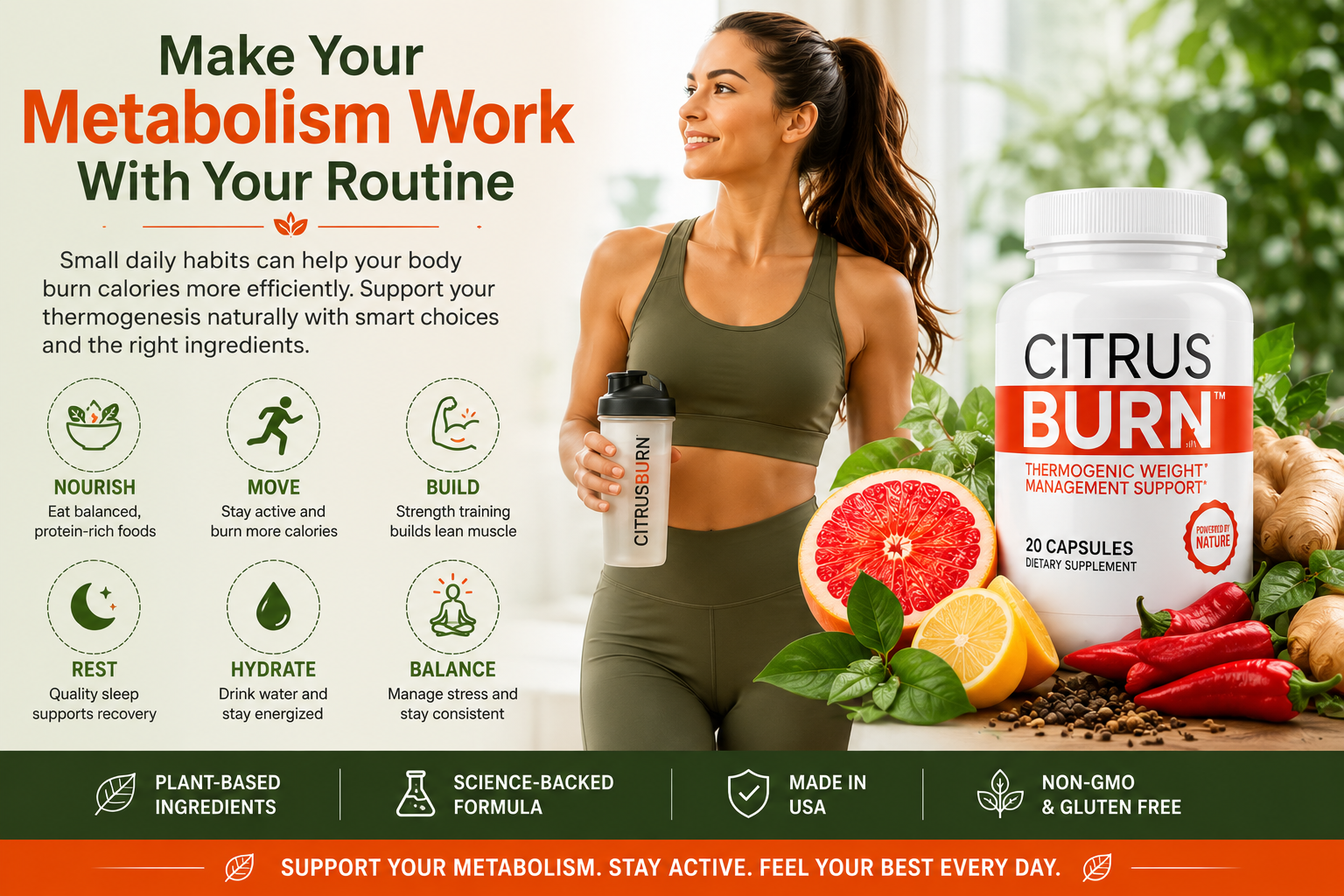
Make Your Metabolism Work With Your Routine
Your daily routine can make a meaningful difference when the basics are working together. Prioritize balanced meals, purposeful movement, strength work, restful sleep, and steady habits to support healthy energy use and Weight Management.
If you are researching plant-based thermogenic supplements such as CitrusBurn, take time to review the ingredients and available evidence and consider them only as a complement to your lifestyle.
Final Thoughts
A slower metabolism can make weight management feel frustrating, but it does not mean progress is impossible. Thermogenesis is one of the natural processes through which your body uses energy, and several everyday habits can support it.
Rather than looking for a dramatic metabolism boost, focus on the habits that add up over time: eat enough protein, build and maintain muscle, stay active throughout the day, sleep well, drink enough water, and manage stress.
Whether you choose to explore a metabolism booster or simply focus on lifestyle changes, the foundation remains the same. Sustainable results come from habits that are realistic enough to follow consistently.